Greyhound Welfare and Rehoming After Racing
 Available in US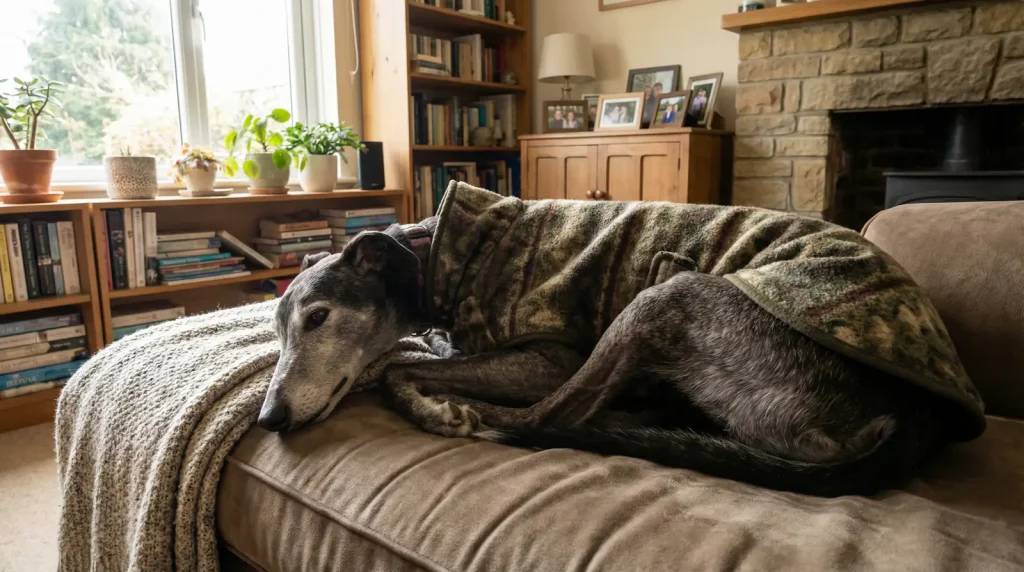
A racing greyhound’s career lasts, on average, two to four years. At the end of that period — whether through declining speed, injury, age, or a trainer’s commercial decision — the dog needs somewhere to go. The transition from racing kennel to permanent home is one of the most important and most scrutinised aspects of UK greyhound racing, and it has improved dramatically over the past two decades. Regulatory requirements, dedicated charities, and growing public awareness have created a rehoming infrastructure that, while not perfect, now accounts for the vast majority of retired racing dogs. Stay informed at crayfordgreyhound.
For punters, the welfare question is not separate from the sport. It is part of it. The dogs that generate the form figures, the split times, and the betting markets are living animals with lives beyond the track. Understanding what happens to them when they stop racing — and what the sport does to ensure they are treated well — is relevant context for anyone who engages with greyhound racing, whether as a casual bettor or a serious form student.
GBGB Welfare Regulations
The Greyhound Board of Great Britain (GBGB) sets and enforces welfare standards for all licensed greyhound racing in the UK. These regulations cover every stage of a dog’s racing life: breeding, rearing, training, racing, and retirement. The rules are binding on all licensed trainers, owners, and track operators, and non-compliance can result in fines, licence suspensions, or permanent exclusions from the sport.
Welfare at the track includes requirements for veterinary presence at every meeting, mandatory pre-race health checks, rules on rest periods between races, and standards for kennel conditions. Trainers must maintain records of each dog’s health, weight, racing history, and any injuries or treatments. These records are subject to inspection by GBGB officials, and trainers who fail to maintain adequate standards face disciplinary action.
The most significant regulatory development in recent years has been the mandatory reporting of outcomes for every retired greyhound. Trainers and owners are required to notify the GBGB when a dog leaves the racing kennel and to provide details of where it goes — whether to a rehoming charity, to a private home, to another trainer, or to a veterinary practice. This tracking system was introduced to close the information gap that previously allowed dogs to leave the sport without a documented destination, and it has substantially increased the visibility and accountability of the retirement process.
GBGB publishes an annual welfare report that includes data on the number of dogs racing, the number retired, and the outcomes for retired dogs. The report is publicly available and provides the most authoritative overview of the state of greyhound welfare in UK licensed racing. The numbers show a clear trend: the proportion of retired dogs successfully rehomed has increased year on year, and the proportion with unknown outcomes has decreased as the tracking system has tightened.
The Crayford Rehoming Programme
Crayford Stadium maintained a rehoming programme during its years of operation, working with local charities and directly with members of the public to place retired racing dogs in permanent homes. The programme was part of the stadium’s broader welfare infrastructure, overseen by the track’s veterinary team and supported by the trainers who knew the dogs’ temperaments and suitability for domestic life.
When Crayford closed in January 2025, the rehoming challenge intensified. The closure meant that dogs still racing at the track needed to be either transferred to new racing kennels (if they were still competitive) or retired and placed in homes (if their racing careers were over). The concentration of retirements in a short period — several dozen dogs entering the system simultaneously rather than the usual trickle — placed additional pressure on the rehoming organisations that serve the south-east region.
The Retired Greyhound Trust and other charities reported increased intake in the months following Crayford’s closure, and the process of matching dogs with suitable homes took longer than usual due to the volume. Trainers who had been based at Crayford were involved in the process, providing assessments of each dog’s temperament, health, and likely suitability for life as a pet. The transition was managed without reports of significant welfare failures, though the additional burden on rehoming resources highlighted the vulnerability of the system to sudden track closures.
The Crayford experience underlined a broader point: when a track closes, the welfare obligations do not disappear with the racing programme. The dogs need homes whether or not the stadium is operating, and the infrastructure to provide those homes — charities, foster networks, adoption centres — must be sufficient to absorb surges in demand that track closures create.
Adoption Charities and Trusts
Several organisations in the UK specialise in rehoming retired greyhounds, each operating independently but often coordinating with GBGB and with individual tracks to manage the flow of dogs from racing to domestic life.
The Retired Greyhound Trust is the largest and most established of these charities. It operates a national network of branches, foster homes, and adoption centres that collectively rehome thousands of greyhounds each year. The Trust assesses each dog for temperament, health, and compatibility with different types of households — families with children, homes with other pets, single-person households — before matching them with adoptive owners. The adoption process includes home visits, introductory meetings, and follow-up checks to ensure the placement is working for both the dog and the family.
Greyhound Rescue Wales, Forever Hounds Trust, and numerous smaller regional charities also play significant roles. These organisations often focus on specific geographic areas or on dogs with particular needs — older dogs, dogs with minor health issues, or dogs that need more time to adjust to domestic life. The network of charities ensures that there is rehoming capacity across the UK, not just in the areas immediately surrounding the major tracks.
The adoption process typically involves a modest fee — usually between one hundred and two hundred pounds — that covers the cost of neutering, vaccinations, dental checks, and microchipping. This fee represents a fraction of the actual cost of preparing a retired greyhound for domestic life, with the charities funding the balance through donations and fundraising.
Greyhounds make unusually good pets. The breed’s temperament — calm, affectionate, and surprisingly low-energy outside of short bursts of activity — suits domestic life better than many potential adopters expect. A retired racing greyhound does not need hours of exercise. It needs a comfortable bed, a couple of short walks per day, and a warm home. The contrast between their athletic appearance and their couch-loving domestic personality is one of the pleasant surprises of greyhound adoption.
What Every Punter Should Know
Greyhound welfare is not a peripheral issue that exists in a separate conversation from the racing and betting. The sport’s social licence — its continued acceptance by the public and by regulators — depends on demonstrating that the dogs are treated well during and after their racing careers. Every improvement in welfare standards, every increase in rehoming rates, and every reduction in unaccounted-for outcomes strengthens the sport’s position. Every failure undermines it.
As a punter, you interact with the sport primarily through data: form figures, calculated times, trap statistics, and odds. But behind every data point is a living greyhound — bred to race, trained to compete, and eventually retired from the activity that defined the first years of its life. Supporting the welfare infrastructure — through awareness, through direct engagement with rehoming organisations, or simply through understanding what the sport does to look after its animals — is part of being an informed participant.
The UK greyhound racing industry has made measurable progress on welfare. The mandatory tracking of retired dogs, the investment in rehoming, and the regulatory framework enforced by GBGB represent a standard of care that was not in place twenty years ago. It is not perfect. Gaps remain, particularly around the transparency of injury data and the welfare of dogs in the unregulated independent racing sector. But the direction of travel is positive, and the expectation — from within the sport and from the public — is that the standard will continue to rise. Also read our legal information.
Beyond the Finishing Line
A greyhound’s life after racing is longer than its life in racing. A dog that retires at three or four has a decade or more ahead of it as a pet. The finishing line is not the end of the dog’s story — it is the beginning of a second chapter that, with the right home and the right care, is considerably quieter, considerably warmer, and considerably longer than the first. The sport owes its athletes that chapter. The progress so far suggests it increasingly delivers it.
